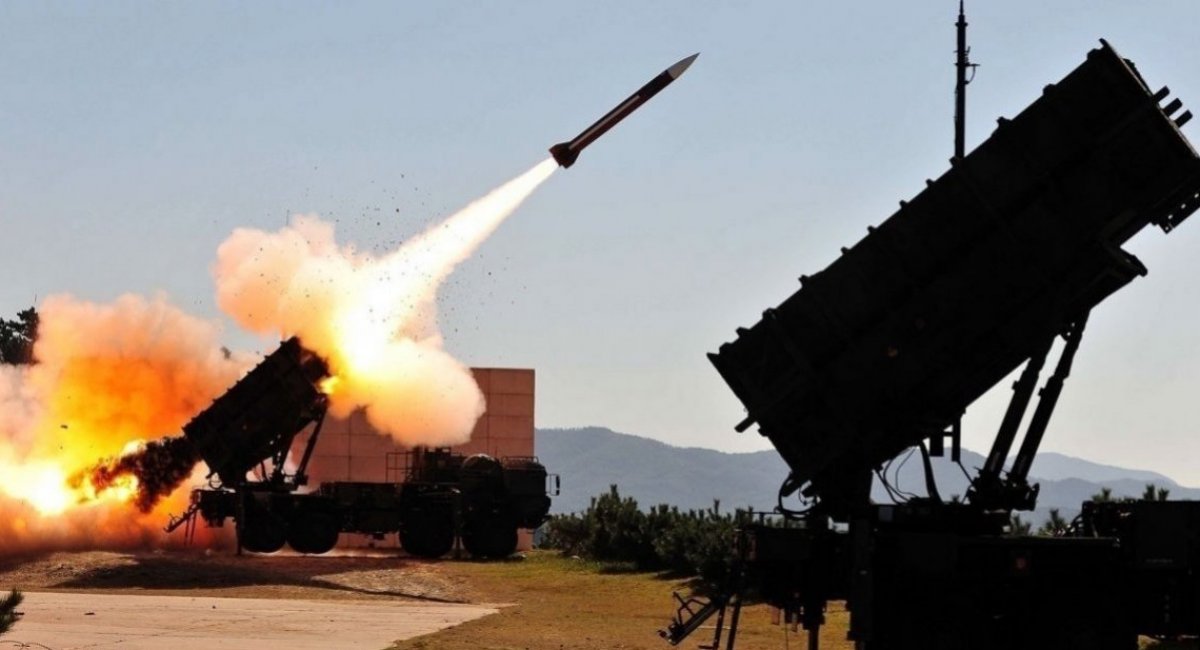
Patriot Missiles vs. Cheap Drones: The Unbearable Cost of Interception
Modern warfare is undergoing a radical transformation, driven by the proliferation of inexpensive, off-the-shelf technologies. At the heart of this shift lies a critical dilemma: how do nations defend against ubiquitous, low-cost threats like drones and rudimentary rockets when their primary defense systems cost astronomical sums? The disparity between the Kosten Patriot Rakete (cost of a Patriot missile) and the price tag of a simple drone has created an unsustainable financial burden, sparking a desperate search for innovative solutions in air defense.
For decades, sophisticated air defense systems like the American-made Patriot have represented the pinnacle of protective technology, designed to intercept everything from tactical ballistic missiles to advanced aircraft. These systems are marvels of engineering, packed with cutting-edge radar, guidance systems, and destructive power. However, their very complexity and capability come with an exorbitant price tag, making them ill-suited for the new reality of asymmetric warfare.
The Alarming Imbalance: When a Dollar Fights a Million
The core problem is stark: adversaries are leveraging readily available, mass-produced drones and rockets, often costing mere thousands of dollars, to overwhelm and exhaust the defenses of technologically advanced nations. The sheer scale of this financial imbalance is staggering. Consider the widely cited figures:
- A single advanced Patriot missile, specifically the PAC-3 variant, can cost approximately $13.5 million. These missiles are designed for precision and high-value target interception.
- In contrast, a Shahed drone, frequently used in conflicts, has an estimated production cost as low as $30,000.
- Even more dramatically, some reports indicate scenarios where 11 Patriot missiles were fired at a combined cost of $44 million to intercept a single Iranian rocket valued at around $250,000. This translates to roughly $4 million per Patriot missile in that specific engagement, a "financial bloodbath" that highlights the critical unsustainability.
This immense disproportion is not accidental; it's a deliberate strategy. Adversaries, recognizing they cannot match Western militaries in conventional strength, aim to draw them into an endless, unpayable war of attrition. By constantly forcing the deployment of expensive interceptors against cheap targets, they seek to drain defense budgets, divert resources, and erode public support, all without ever engaging in a direct, costly confrontation. This form of economic warfare is proving to be incredibly effective and poses an existential challenge to traditional air defense paradigms.
The Staggering Kosten Patriot Rakete: A Deeper Dive into Defense Economics
Understanding the true Kosten Patriot Rakete goes beyond just the unit price of the missile itself. The entire Patriot system – encompassing launchers, radar units, engagement control stations, and power generators – represents a multi-billion-dollar investment. Each interceptor missile is a marvel of engineering, incorporating advanced guidance systems, powerful propulsion, and sophisticated warheads designed to neutralize threats traveling at hypersonic speeds. The research, development, testing, and manufacturing processes for such high-performance munitions contribute significantly to their final cost.
Furthermore, the operational expenses associated with maintaining and deploying Patriot systems add another layer to the financial burden. This includes:
- Maintenance and Upkeep: Regular inspections, software updates, and hardware overhauls are crucial for system readiness.
- Training: Highly specialized personnel are required to operate and maintain these complex systems, necessitating continuous, intensive training programs.
- Logistics and Support: Transporting, storing, and deploying Patriot batteries across vast distances incurs substantial logistical costs.
When you consider these factors, the true cost of defending airspace with traditional kinetic interceptors becomes a national security concern. Nations are forced to allocate massive portions of their defense budgets to maintain these systems, potentially at the expense of other critical military capabilities or public services. This budgetary strain is what adversaries aim to exploit, turning every successful interception into a subtle financial victory for them.
For a more in-depth exploration of the fiscal pressures imposed by these defense systems, readers can refer to Patriot Missile Costs: The Financial Burden of Air Defense and Patriot Missile Costs: Fueling an Unaffordable War of Attrition.
The Search for a Sustainable Solution: Beyond Kinetic Interceptors
The unsustainable economic equation presented by the Kosten Patriot Rakete versus cheap drones has accelerated the development of alternative defense mechanisms. The paradigm shift is moving towards solutions that offer a dramatically lower cost per engagement.
Directed Energy Weapons: The Game Changer
One of the most promising advancements comes in the form of directed energy weapons, particularly high-energy lasers. Israel, a nation frequently targeted by various rocket and drone threats, has been at the forefront of this innovation. Their "Iron Beam" system, developed by the Rafael defense contractor, is a prime example.
- Cost-Effectiveness: Unlike a multi-million-dollar missile, the "Iron Beam" reportedly costs only a few dollars per shot. This dramatic reduction in operational cost per engagement makes it a truly sustainable defense option.
- Versatility: The 100-kilowatt laser is designed to destroy a wide range of short-range threats, including short-range rockets, mortar shells, and various types of drones, with pure energy.
- Complementary Role: The "Iron Beam" is intended to complement Israel's existing and highly successful "Iron Dome" system, which still relies on kinetic interceptors for longer-range or more complex threats. By taking on the cheaper, more numerous threats, Iron Beam frees up the more expensive Iron Dome interceptors for critical engagements, thus optimizing resource allocation.
This shift from "throwing metal" at targets to using "pure energy" represents a fundamental change in air defense philosophy. Laser systems offer infinite "magazine capacity" (as long as power is supplied), minimal collateral damage in some scenarios, and near-instantaneous engagement speeds. While challenges remain, such as atmospheric interference and power requirements, the potential for these systems to neutralize the economic advantage of cheap drones is immense.
Innovative Drone-on-Drone Interception
Beyond lasers, other innovative approaches are emerging. Ukraine, facing a barrage of Iranian-made Shahed drones, has been exploring and developing its own cheap, mass-produced interceptor drones. These cost only a few thousand dollars each, making them far more economically viable for engaging enemy drones than a Patriot missile. This "drone-on-drone" combat strategy represents another layer of defense that specifically targets the cost asymmetry, aiming to beat cheap with even cheaper.
Strategies for Future Air Defense: Adapting to the Drone Age
The future of air defense will likely be a multi-layered approach, moving beyond sole reliance on expensive kinetic interceptors. To effectively counter the drone threat and manage the Kosten Patriot Rakete, defense planners must:
- Invest in Directed Energy Weapons: Accelerate R&D and deployment of laser, microwave, and other directed energy systems for widespread adoption.
- Develop Cheaper Kinetic Alternatives: Explore and produce more cost-effective, specialized interceptors for less sophisticated drone threats. This could include smaller, smarter missiles or even projectile-based systems.
- Embrace Counter-Drone Technologies: Integrate jamming systems, GPS spoofers, cyber-attacks, and even net-gun drones to disable or capture enemy drones without kinetic destruction.
- Enhance Intelligence and Early Warning: Superior intelligence can help predict and preempt drone attacks, reducing the need for costly interception.
- Foster International Collaboration: Sharing research, development costs, and best practices among allied nations can accelerate the deployment of effective and affordable solutions.
- Adopt AI and Automation: Utilize artificial intelligence for rapid threat assessment, target prioritization, and autonomous engagement to optimize the use of interceptors and reduce human workload.
The imperative is clear: adapt or face unsustainable financial and strategic exhaustion. The sheer volume and low cost of modern drone threats demand a defense strategy that is equally innovative, agile, and, crucially, affordable.
Conclusion
The era of confronting cheap, mass-produced drones with multi-million-dollar interceptor missiles is rapidly drawing to a close. The "unbearable cost of interception," epitomized by the staggering Kosten Patriot Rakete in comparison to the price of its targets, represents a critical vulnerability in global defense strategies. However, the emergence of game-changing technologies like high-energy lasers and innovative drone-on-drone solutions signals a promising shift. By embracing a diverse, layered, and economically sustainable approach to air defense, nations can regain the upper hand, neutralize the strategic advantage of asymmetric warfare, and ensure their skies remain secure without bankrupting their treasuries. The future of defense hinges not just on technological superiority, but on financial shrewdness and adaptability.