Patriot Missile Costs: The Financial Burden of Air Defense
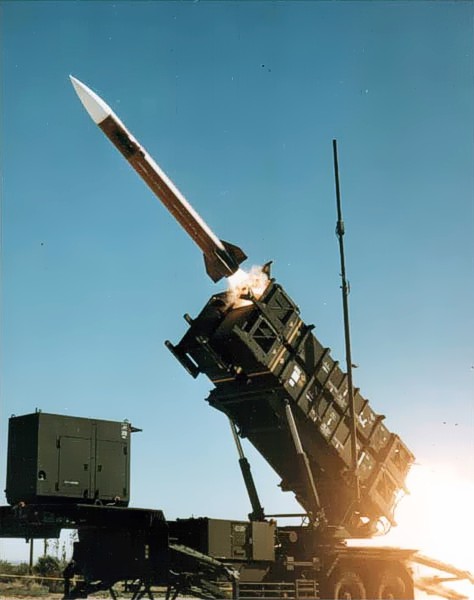
In an increasingly complex global security landscape, the challenge of protecting national airspace from diverse threats has become paramount. While advanced air defense systems like the Patriot missile system are indispensable for countering sophisticated aerial threats, their formidable capabilities come with an equally formidable price tag. The discussion around the Kosten Patriot Rakete—the cost of Patriot missiles—highlights a critical vulnerability in modern defense strategies: the unsustainable financial burden of intercepting cheap, mass-produced enemy weapons with high-value, state-of-the-art interceptors. This asymmetrical cost dynamic is not just an economic concern; it represents a strategic dilemma, potentially fueling an endless and unaffordable war of attrition.
The Staggering Kosten Patriot Rakete: An Unbearable Burden
The financial disparity between advanced interceptors and rudimentary threats is stark and increasingly problematic. Take, for instance, a chilling example from a recent conflict: a reported scenario where 11 Patriot missiles, valued at an astounding $44 million, were allegedly fired to intercept a single Iranian rocket costing approximately $250,000. This single incident, if verified, represents a mind-boggling cost-exchange ratio, effectively a "financial leg sweep" that no modern military can sustain indefinitely. Each Patriot missile, in this context, implied a cost of around $4 million.
Even more pronounced are the figures emerging from the conflict in Ukraine. Here, a single Patriot missile is estimated to cost around $13.5 million. These are being used to counter Iranian-designed Shahed drones, which can be acquired for as little as $30,000 each. This translates into a staggering 450-to-1 cost ratio, where a single interceptor costs hundreds of times more than its target. The sheer volume of these inexpensive drones, potentially numbering in the tens of thousands, presents a terrifying prospect for any nation relying solely on high-cost interceptors. The continuous expenditure on defending against such threats, often referred to as a "financial bloodbath," inevitably leads to a discussion about whether these defense strategies are sustainable in the long run. The exorbitant Kosten Patriot Rakete thus become a central point of contention for defense planners worldwide. For a deeper dive into this imbalance, read more about Patriot Missiles vs. Cheap Drones: The Unbearable Cost of Interception.
Asymmetric Warfare: The Mullahs' Strategy and Beyond
The strategy employed by adversaries like the Mullahs in Tehran is clear: drag Western and allied nations into an endless, unpayable war of attrition. By flooding the battlefield with inexpensive yet effective drones, rockets, and missiles, they aim to exhaust the financial resources and political will of their opponents. This isn't just about destroying targets; it's about making defense economically crippling.
The implications of this asymmetric warfare extend far beyond immediate combat zones. Defense budgets, already stretched by complex geopolitical demands, face immense pressure when a single interception can deplete millions of dollars. This forces difficult choices: either scale back defensive capabilities, increase defense spending to unsustainable levels, or seek alternative, more cost-effective solutions. The continuous need for components, like the Patriot PAC-3 Seeker components provided by major defense contractors, further illustrates the intricate and expensive ecosystem supporting these advanced systems. This financial strain undermines long-term military readiness, diverts funds from other crucial areas like troop welfare or naval modernization, and ultimately weakens a nation's overall security posture. The very high Kosten Patriot Rakete are indeed fueling an unaffordable conflict. Explore this challenge further in our article on Patriot Missile Costs: Fueling an Unaffordable War of Attrition.
Innovation as the Antidote: Lowering the Cost of Interception
The unsustainable nature of high-cost intercepts against cheap threats has spurred significant innovation in air defense technology. Necessity, as ever, is proving to be the mother of invention.
Israel's Iron Beam: A Game Changer?
One of the most promising developments comes from the Israeli defense contractor Rafael, with its "Iron Beam" laser system. Designed to complement the renowned Iron Dome, the Iron Beam offers a revolutionary approach to air defense. Costing only a few dollars per shot, this 100-kilowatt laser can destroy short-range rockets, mortar shells, and drones with pure energy. This technology promises to effectively neutralize the asymmetrical warfare advantage enjoyed by groups relying on cheap projectiles. By drastically reducing the cost-per-kill, the Iron Beam could liberate defense budgets and ensure that protecting civilian populations does not come at an economically crippling price. It's a potential paradigm shift that renders the financial calculations of adversaries obsolete.
Ukraine's Ingenuity: Economical Drone Defense
Faced with an onslaught of Shahed drones, Ukraine has also demonstrated remarkable ingenuity. Recognizing the prohibitive Kosten Patriot Rakete, they have invested in developing their own cheap, mass-produced interceptor drones. These cost only a few thousand dollars, offering a significantly more economical alternative to multi-million-dollar missiles. This homegrown solution highlights a critical lesson: innovation in defense doesn't always mean more expensive or more complex systems. Sometimes, it means developing agile, cost-effective counters that match the threat's economic profile. Beyond dedicated interceptors, other solutions such as advanced electronic warfare (EW) systems, which can jam or spoof incoming threats without firing a single projectile, are also being explored and deployed. These methods offer a non-kinetic, potentially much cheaper way to mitigate drone and missile threats.
The Broader Implications: Navigating Future Air Defense Challenges
The lessons learned from the exorbitant Kosten Patriot Rakete and the rise of inexpensive threats are clear: relying solely on high-cost, high-tech interceptors is an unsustainable long-term strategy. Future air defense must be multi-layered, diverse, and crucially, cost-effective.
- Invest in Diverse Technologies: Nations must diversify their defense portfolios to include a mix of traditional missile defense, directed energy weapons (like lasers), electronic warfare, and even low-cost interceptor drones. A layered defense provides flexibility and allows for the most economically viable response to each specific threat.
- Prioritize Cost-Effectiveness: Defense procurement must increasingly consider the cost-exchange ratio as a primary factor, not just the technical efficacy of a system. The ability to defend affordably is as vital as the ability to defend effectively.
- Foster Innovation: Governments and defense industries should aggressively fund research and development into emerging technologies that promise lower operational costs and higher sustainability. Encouraging smaller companies and even open-source projects can unlock novel solutions.
- International Collaboration: Sharing technology, intelligence, and even manufacturing capabilities can help reduce individual national burdens and accelerate the development of cost-effective countermeasures.
The financial burden of air defense, particularly concerning the Kosten Patriot Rakete in asymmetrical conflicts, is a global challenge that demands a strategic rethink. It's not just about what we can shoot down, but what we can afford to shoot down repeatedly without bankrupting our defense capabilities.
Conclusion
The era of confronting cheap, mass-produced threats with prohibitively expensive interceptors like the Patriot missile is rapidly proving unsustainable. The staggering Kosten Patriot Rakete pose a significant financial burden, inviting adversaries to wage an economically devastating war of attrition. However, as demonstrated by the groundbreaking Iron Beam laser and Ukraine's innovative drone defenses, viable and cost-effective alternatives are emerging. The future of air defense lies in embracing a multi-layered approach, prioritizing cost-efficiency, and fostering relentless innovation. Only by strategically investing in diverse and affordable defense technologies can nations safeguard their skies and their treasuries against the evolving challenges of modern warfare.